Wrought iron vs. aluminum fencing: which is right for you?
Iron and aluminum can look similar from the curb, but they behave very differently. Wrought iron is our specialty at Apexguard Fence, and below we lay out an honest comparison so you can choose the right metal fence for your property, budget, and goals.
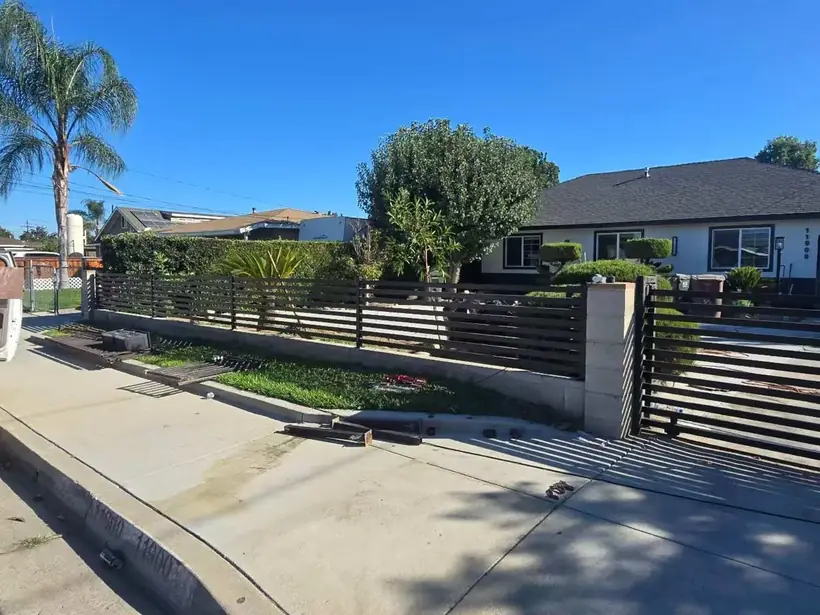
Wrought iron (our specialty): heavier, stronger, premium curb appeal. Aluminum looks similar from the street, but is lighter and rust-free — the table below shows how they really compare.
At a glance: wrought iron vs. aluminum
| Feature | Wrought Iron (steel) | Aluminum |
|---|---|---|
| Strength | Highest — heavy, hard to cut or bend | Moderate — can dent on impact |
| Security | Best — standard for gates & security | Decorative / barrier use |
| Rust / corrosion | Can rust; powder-coat protects for decades | Never rusts |
| Maintenance | Light upkeep, occasional touch-ups | Virtually none |
| Weight & feel | Heavy, substantial presence | Light, clean profile |
| Lifespan | Decades (finish maintained) | Decades |
| Typical installed cost* | $50–$100 / ft | $30–$60 / ft |
| Best for | Driveway gates, security, front-yard curb appeal | Pool fences, humid/coastal, low-maintenance, tighter budget |
*Typical installed ranges in Southern California. Final price depends on height, length, gates, terrain, and old-fence removal — confirmed with a free on-site measurement.
Price comparison
Aluminum is usually cheaper up front — commonly about $30–$60 per linear foot installed. Wrought iron runs higher, typically $50–$100 per linear foot installed, for the added strength, weight, and premium look, with driveway gates and heavier security designs at the top of the range. If you want a low-cost, rust-free decorative or pool fence, aluminum wins on price; if you want maximum strength and curb appeal for gates and frontage, iron is worth the difference.
Strength & security
Wrought iron (steel) is the clear winner for strength and security. It is heavier, harder to cut or bend, and is the standard for driveway gates and security frontage. Aluminum is much lighter and can dent on impact, so it is better suited to decorative and barrier fencing than to high-security applications.
Maintenance & rust
Aluminum's big advantage is that it never rusts — a real plus for pool enclosures and humid or coastal areas. Iron can rust over time, but a quality powder-coat finish and occasional touch-ups keep it protected for decades. If you want truly zero maintenance, aluminum has the edge; if you want maximum strength and don't mind light upkeep, iron wins.
Looks & cost
Both can be powder-coated black, bronze, or other colors and formed into picket, flat-top, or decorative styles. Iron has a heavier, more substantial presence that many homeowners prefer for front yards and entries; aluminum has a lighter, cleaner profile. On price, aluminum is usually less expensive up front, while iron costs more for the added strength and look. See current ranges in our fence cost guide.
Wrought iron vs. steel — are they different?
People often search “wrought iron vs. steel fence” or “aluminum vs. steel fence” as if they’re separate choices. In modern fencing they’re effectively the same thing: today’s “wrought iron” fences are built from tubular steel, then galvanized and powder-coated. So everything above about iron applies to a steel fence too — it’s strong, secure, and the standard for gates, while aluminum stays the lighter, rust-free, lower-cost option.
Metal fence vs. wood: is metal cheaper?
A basic wood privacy fence is usually cheaper up front (about $25–$45 per foot) than a metal fence, so wood often wins on first cost. But metal lasts far longer: wood weathers, warps, and typically needs replacing in 10–20 years, while powder-coated steel/iron or aluminum can last decades. Over the life of the fence, a metal fence often costs less per year even though it costs more to install. See full ranges in our fence cost guide.
Which should you choose?
- Choose wrought iron for driveway gates, security fencing, front-yard curb appeal, and a premium, long-lasting look.
- Choose aluminum for pool safety fencing, rust-free performance in humid areas, low-maintenance decorative fencing, or a tighter budget.
Not sure which fits your project? Browse real iron installs in our wrought iron styles guide, or start with a free measurement on our fence installation page.
FAQ
Is wrought iron stronger than aluminum?
Yes. Iron and steel are significantly stronger and harder to cut or force than aluminum, which is why iron is the better choice for security fencing and driveway gates. Aluminum is lighter and can dent on impact, so it suits decorative and pool fencing more than high-security uses.
Does aluminum fencing rust?
No. Aluminum does not rust, which makes it a strong option for pool areas and humid or coastal spots. Iron can rust over time, but powder-coating and occasional touch-ups keep it protected for decades.
Which is cheaper, iron or aluminum?
Aluminum is usually less expensive up front. Iron costs more, but you get more strength, security, and a heavier, premium look — which is why it is the go-to for driveway gates and security frontage.
Which lasts longer, iron or aluminum?
Both can last for decades. Aluminum is essentially maintenance-free; iron lasts just as long with occasional finish maintenance to prevent rust. The right pick depends on whether you prioritize zero maintenance or maximum strength and presence.
Is a wrought iron fence the same as a steel fence?
In modern fencing, yes — today's "wrought iron" fences are made from tubular steel, then galvanized and powder-coated. So a steel fence and a wrought iron fence are effectively the same product, and both are stronger than aluminum.
Is a metal fence cheaper than a wood fence?
Not usually up front — a basic wood fence is often cheaper to install (about $25–$45 per foot) than metal. But metal lasts much longer, so over the life of the fence a steel, iron, or aluminum fence can cost less per year than wood, which typically needs replacing in 10–20 years.
Calculate a Basic Estimate Request a Free Measurement
What is a wrought aluminum fence?
A “wrought aluminum” fence (also searched as aluminum wrought iron fence) is aluminum fencing made to look like traditional wrought iron — same spear-top or flat-top picket styles, but lighter, rust-proof, and usually cheaper. Real wrought iron is stronger and better for security and driveway gates; wrought-look aluminum fits decorative runs and pool enclosures. We install both and can quote them side by side.